STAGE · OTT PLATFORMJUNE 2024

Scaling discovery for the next million users.

A redesign of STAGE's content categorization framework, moving from generic genres to a culturally-rooted tagging system that speaks the language of regional audiences.
ROLE
Product Designer
TEAM
1 PM · 2 Eng · Me
TIMELINE
4 weeks
IMPACT
+30% viewing growth
STAGE APP · LIVE PRODUCT
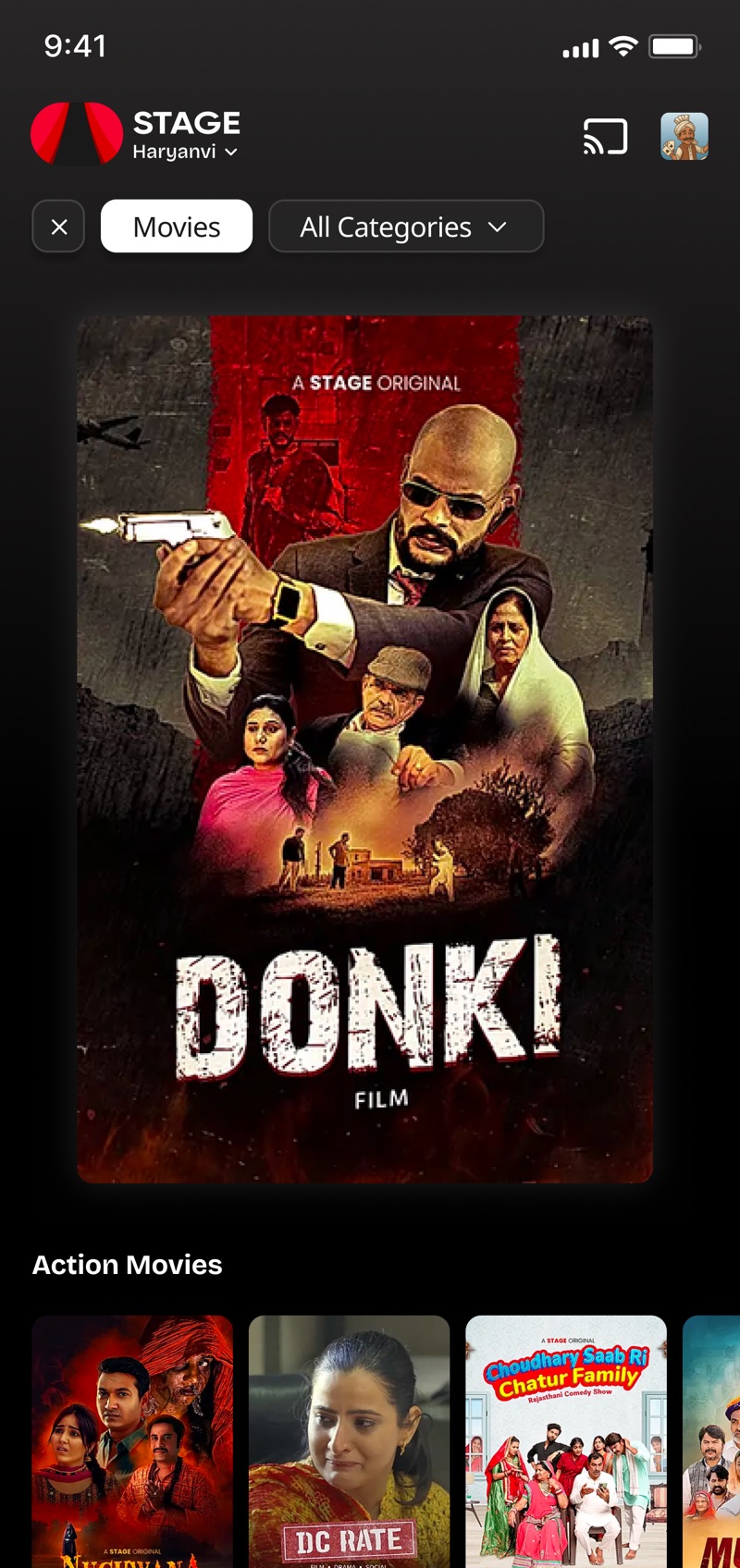
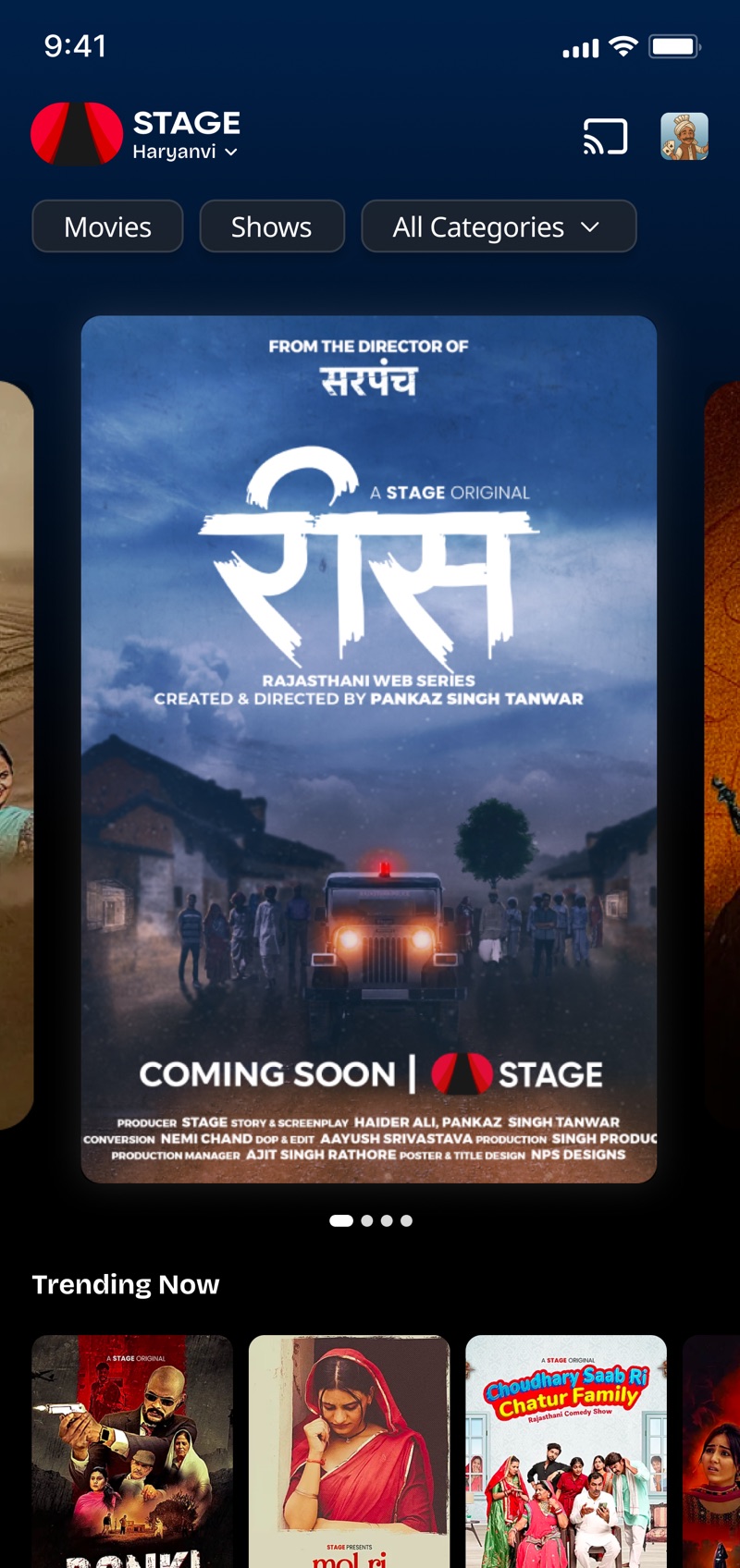
STAGE home with featured original poster
Home · Originals
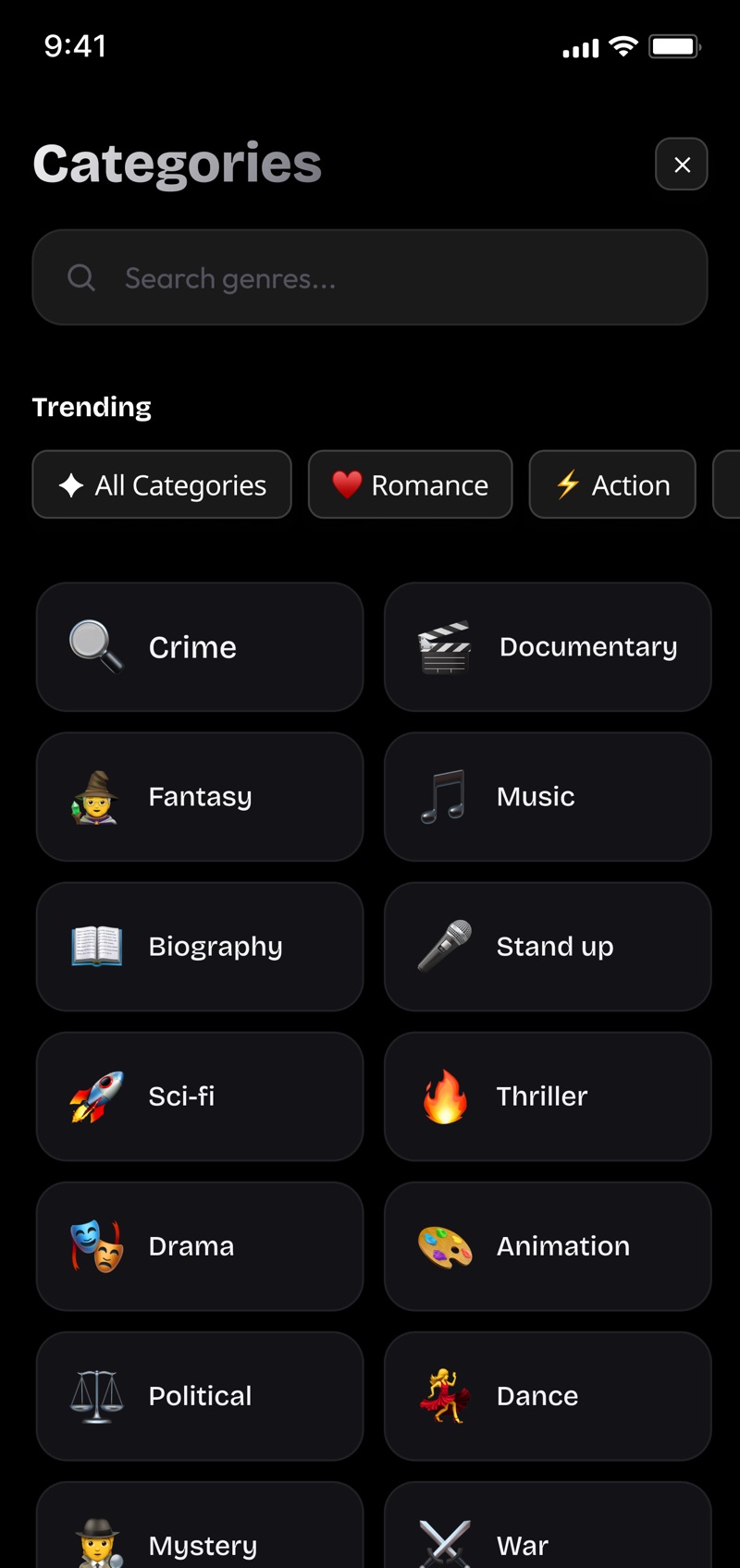
STAGE categories with cultural genres
Categories · Discovery
STAGE movies filtered view
Movies · Filtered
THE PROBLEM

The "generic genre" trap

Standard OTT platforms rely on basic genres like "Drama" or "Crime", but for STAGE, these labels were too rigid. Users searched in cultural and emotional terms that the system simply couldn't parse.

The absence of granular, culturally-rooted tagging became a major blocker for personalization, the very feature users expect from a modern streaming service.

0
before
4
after
relevant matches
Emotional Drama
30% bounce
before
+30% viewing
after
Before, irrelevant results
Action Spectacle 7ACTION
Detective ShadowCRIME
Highway BrawlACTION
After, relevant matches
Pyaar Ke Liye Kuch BhiEMOTION · ROMANCE
Maa Ki MamtaEMOTION · FAMILY
Aakhri VidaaiEMOTION · TRAGEDY
Dil Se Dil TakEMOTION · DRAMA
THE RESEARCH

Finding the mental model

We didn't just guess, we went to the field. Two parallel research tracks gave us a foundation.
METHOD · ASECONDARY RESEARCH
What do other regional platforms do?
We benchmarked global giants and regional peers. While Netflix leans heavily on AI recommendations, regional players like Hotstar and ZEE5 use a hybrid of AI and human editors to surface local language and cultural nuance.
Netflix · AI-onlyHotstar · HybridZEE5 · Hybrid + Human
METHOD · BPRIMARY RESEARCH
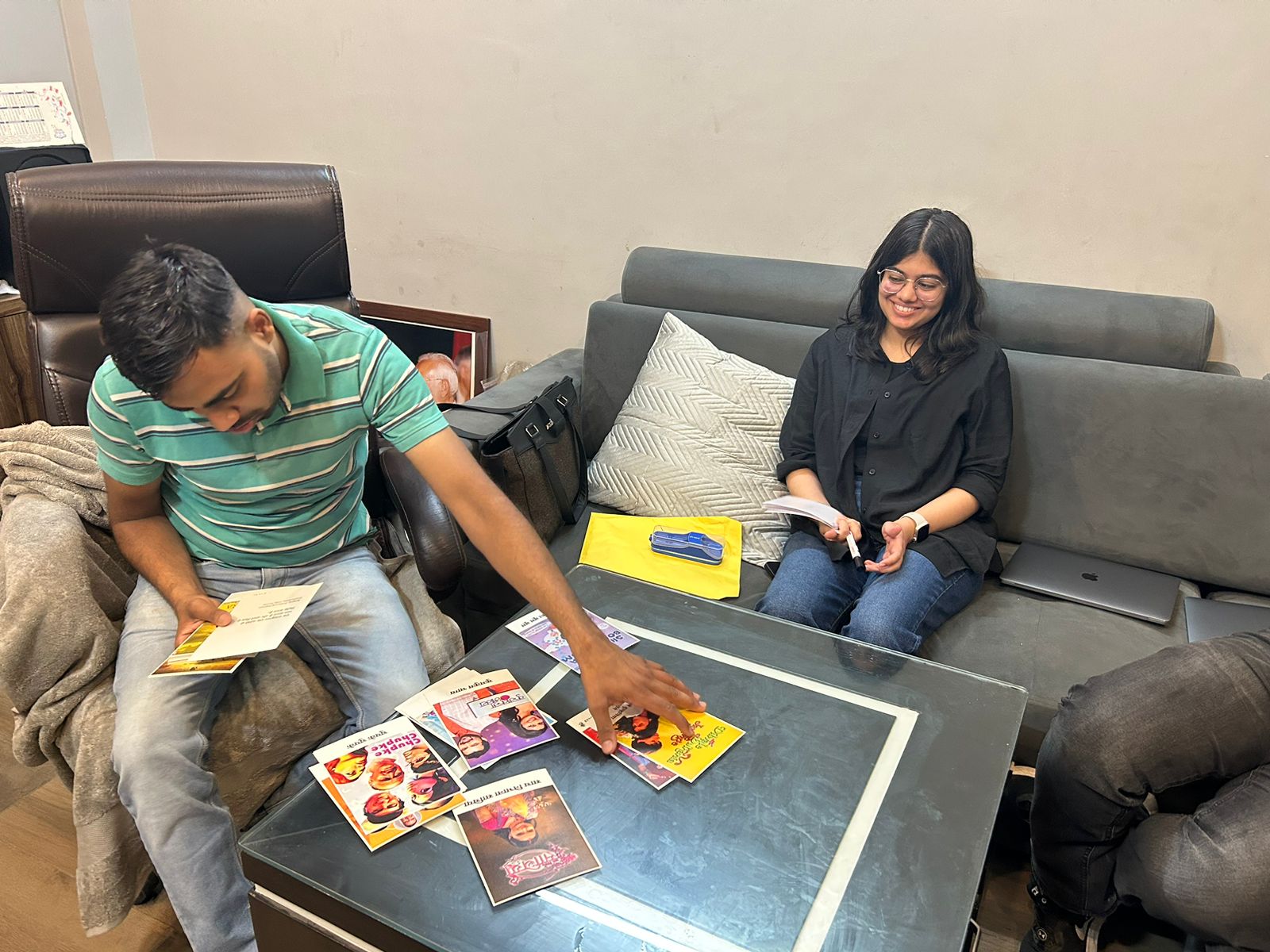
In-person card sorting
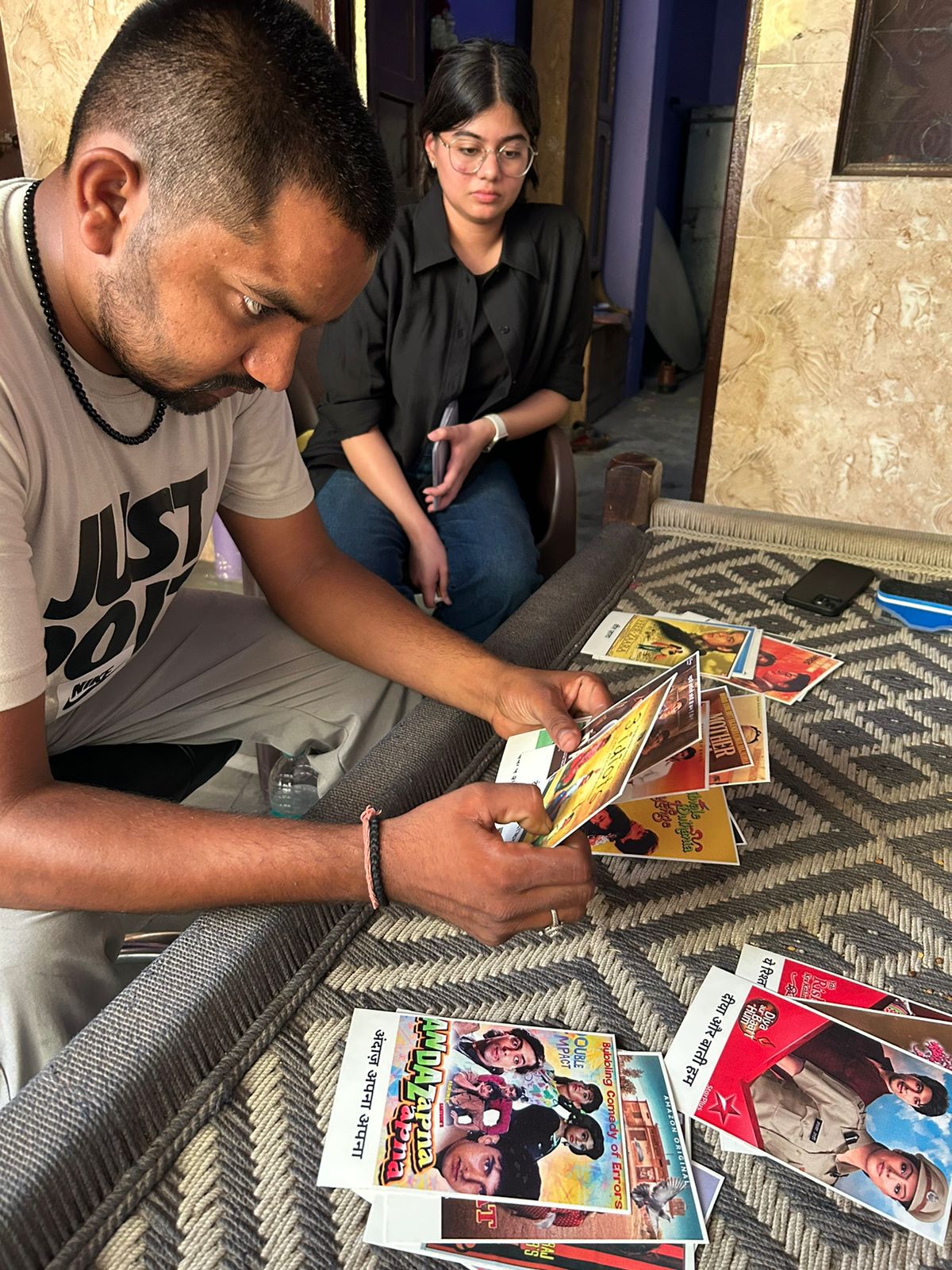
Initial user calls were too vague to act on. We pivoted to an in-person card sorting activity using physical posters from Bollywood, TV serials, and STAGE originals, letting users group content the way they actually thought about it.
12 participants60 posters3 cities
Field research, card sorting
↳ TESTING MENTAL MODELS IN THE FIELD, IN-PERSON CARD SORTING WITH PHYSICAL POSTERS
THE AHA MOMENT

How users actually talk

Card sorting revealed three massive gaps in how we'd been thinking about content.

INSIGHT · 01
Terminology matters
STAGE users don't say "web series."
They say "serials", the term carries decades of TV-watching context. Using "web series" felt foreign and aspirational, not native.
INSIGHT · 02
Visual recognition wins
Users don't read titles first.
They scan for familiar actors' faces and posters to judge a show's vibe before reading a single word. Faces > copy.
INSIGHT · 03
Emotional anchors
"Pyaar ke liye kuch bhi karna."
Users categorized content by plotlines and emotions, not by genre. Instead of "Romance," they described it as "doing anything for love."
THE SOLUTION

Multi-dimensional tagging

We moved away from single-label systems. Home-screen filters let users browse content by mood, theme, and regional preference, combining as many dimensions as they wanted.


↳ INTERACTIVE DEMOSTAGE / MVP
MOOD
LANGUAGE
FORMAT
4 MATCHES
Pyaar Ke Liye
Dil Se Dil Tak
Suhaag Raat
Mehndi Raat
↳ TRY · TWEAK · MATCH
Combine any mood, language, and theme, results update in real time.
↳ MVP PREVIEWSTAGE / iOS
9:41●●●
Discover
RomanceBhojpuriFamily
↳ 12 MATCHES
Pyaar Ke Liye
Saiyan Ji
Lal Ghaghra
Dil Se Dil
↳ VIDEO · MVP RECORDING
User taps 'Romance' filter, toggles to 'Bhojpuri', content updates instantly.
THE IMPACT

Data-backed success

CONTENT CONSUMPTION
0%
0%25%50%
Driven by users engaging with the new home-screen filters.
VIEWING GROWTH
0%
0%25%50%
Linked to more accurate search results powered by the new tagging framework.
END · OF · CASE
Thanks for reading.